

Choosing a Website Package is the first step toward establishing a strong online presence for your business. It involves evaluating your goals, budget, and technical needs to find a solution that grows with you.
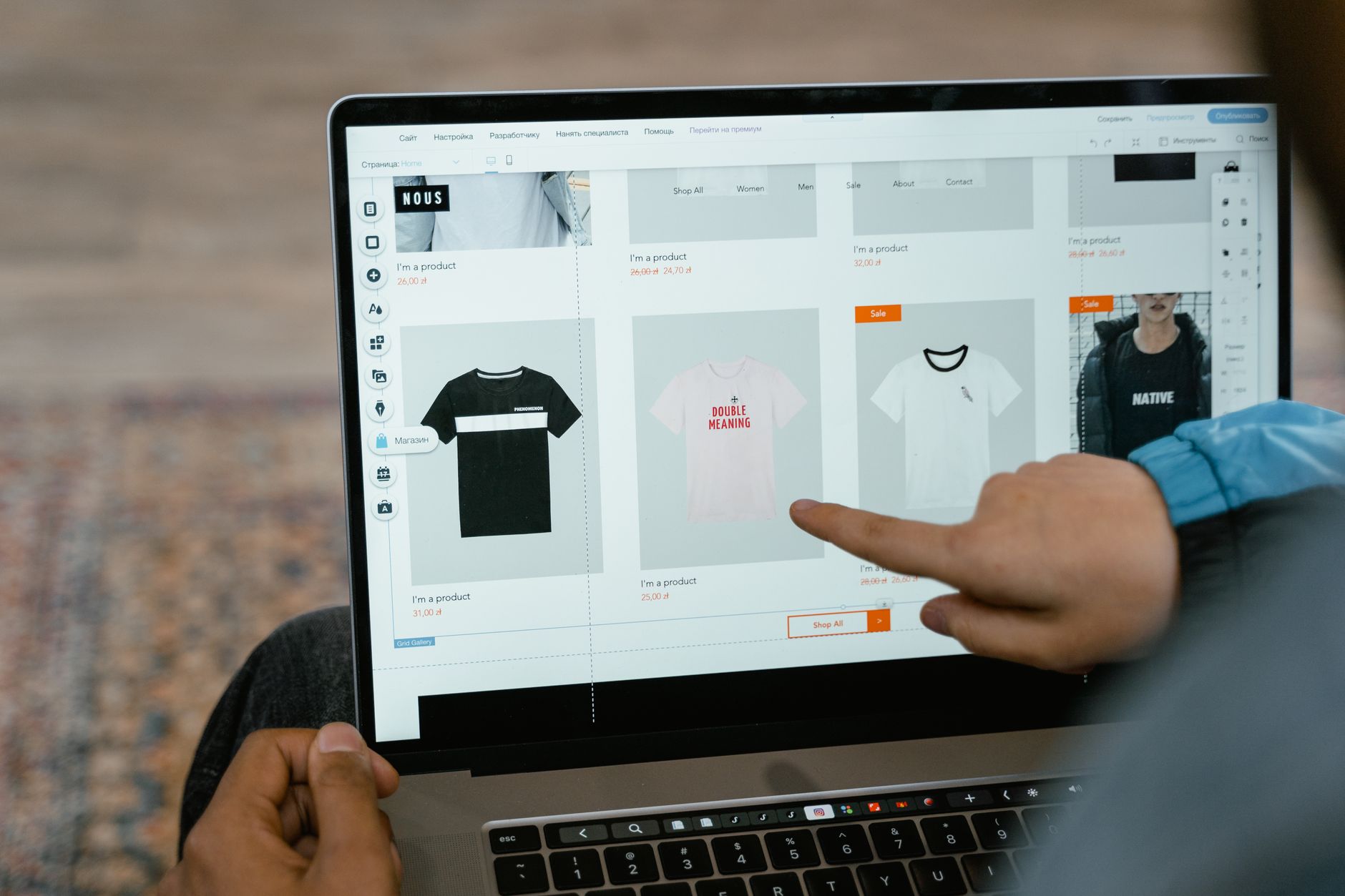
Choosing a Website Package: Key Decision Factors
When you start the selection process, keep these core considerations in mind:
- Business Objectives – Define what you want to achieve: brand awareness, lead generation, e‑commerce, or community engagement.
- Target Audience – Understand the devices, browsers, and expectations of your customers.
- Scalability – Choose a package that can accommodate future features such as additional product lines or a multilingual site.
- Technical Support – Reliable maintenance, security updates, and a responsive support team are essential for uninterrupted operation.
Assess Your Business Needs
Start by listing the core functionalities your website must provide. For a retail shop, inventory management and payment gateways are top priorities. For a service provider, booking forms and client portals may be essential.
Define Your Budget
Website packages typically fall into three tiers:
- Basic – Ideal for startups or personal brands; includes a template, limited pages, and basic SEO.
- Standard – Suited for growing SMEs; adds custom design elements, more pages, and advanced analytics.
- Premium – Best for established businesses; offers full custom development, e‑commerce capabilities, and dedicated support.
Evaluate Platform Options
Choose a platform that matches your technical comfort level and business needs. Popular choices include:
- WordPress – Flexible, extensive plugin ecosystem, ideal for content‑heavy sites.
- Shopify – Turnkey e‑commerce, easy inventory management.
- Wix or Squarespace – Drag‑and‑drop builders, quick to launch for simple sites.
Consider Design and Functionality
A well‑designed site improves user experience and SEO. Pay attention to:
- Responsive layout that looks good on mobile and desktop.
- Fast loading times through optimized images and clean code.
- Clear navigation and calls to action that guide visitors toward conversion.
Look at Support and Maintenance
Ongoing support is crucial. Verify that the package includes:
- Regular security patches and backups.
- Access to a help desk or ticketing system.
- Clear terms for updates or feature requests.
Why Philippine SMEs Need a Tailored Website Package
Small and medium businesses in the Philippines face unique challenges such as limited budgets, diverse local markets, and varying levels of digital literacy. A package that offers:
- Local payment gateway integration (e.g., GCash, PayMaya).
- Multilingual support for Tagalog, English, and regional languages.
- Compliance with local data privacy regulations.
- Training for staff on content management and basic SEO.
Choosing a package that addresses these factors ensures your site is not only functional but also culturally relevant and compliant.
Frequently Asked Questions
1. How long does it take to launch a website after selecting a package?
Depending on the complexity, a basic site can be live in a few days, while a custom premium package may take several weeks.
2. Can I upgrade my package later if my business grows?
Most providers offer upgrade paths, allowing you to add features or move to a higher tier without a complete redesign.
3. What level of technical skill is required to manage the site?
Basic packages often come with user‑friendly content editors, while premium packages may require a developer for advanced customizations.
4. Are there hidden costs I should be aware of?
Always review the contract for renewal fees, transaction fees for e‑commerce, and optional add‑ons such as premium plugins or themes.
Ready to Take the Next Step?
If you’re ready to choose a website package that aligns with your business goals and budget, contact RJM Digital Solutions today. Our team specializes in creating scalable, SEO‑friendly websites that help Philippine SMEs thrive online.